
How Modern Technology Is Solving Decades-Old Cold Cases
- Michelle L.
- Jun 4
- 3 min read
For years, cold cases were often viewed as investigations that might never be solved.
Evidence would sit untouched in storage rooms. Witnesses disappeared. Memories faded. Leads dried up and for many families, answers never came. But modern forensic technology is changing that.
Across the United States, investigators are reopening decades-old cases using advanced DNA analysis, digital forensics, and investigative genetic genealogy — tools that simply did not exist when many of these crimes first occurred.
What Makes a Case Go Cold?
A cold case is generally defined as a criminal investigation that remains unsolved after all available leads have been exhausted.
Many older cases were investigated before the rise of modern forensic science. In the 1970s, 1980s, and even early 1990s, DNA technology was limited or unavailable. Evidence collected at crime scenes could not always be analyzed properly, and national databases were much smaller than they are today.
As technology improved, investigators realized that evidence once considered unusable could potentially reveal new information.

The Power of DNA Technology
One of the biggest breakthroughs in cold case investigations has been advanced DNA testing.
Today’s forensic laboratories can often recover DNA from extremely small, degraded, or mixed samples that older technology could not process. Evidence collected decades ago may now produce usable genetic profiles.
Once a DNA profile is developed, investigators may compare it through CODIS — the FBI’s Combined DNA Index System. CODIS allows federal, state, and local agencies to compare DNA evidence against millions of profiles nationwide.
The FBI reported that CODIS surpassed 20 million DNA profiles, making it one of the most significant investigative tools used in modern criminal investigations.
Investigative Genetic Genealogy
Another major advancement is investigative genetic genealogy.
This method combines forensic DNA analysis with genealogy research to identify possible family connections. Investigators may use publicly accessible genealogy databases, where legally permitted, to locate distant relatives connected to an unknown suspect’s DNA.
The technique gained national attention after helping solve several high-profile cold cases, including murders that had remained unsolved for more than 30 years.
In some cases, investigators were able to identify suspects even when no direct DNA match existed in CODIS. Instead, genealogical analysis helped narrow down family lines until investigators identified a likely suspect.
However, the rise of genetic genealogy has also sparked ongoing discussions about privacy, ethics, and the use of consumer DNA databases in criminal investigations.
Revisiting Old Evidence
Cold case investigators are also using modern imaging and digital forensic tools to reexamine older evidence.
Improved software can enhance surveillance footage, analyze photographs more clearly, reconstruct timelines, and organize investigative data in ways that were not possible decades ago.
Even fingerprint technology has advanced significantly.
In one FBI-documented cold case, investigators solved a murder decades later after a latent thumbprint from the crime scene was successfully matched using modern automated fingerprint systems.
Why Evidence Preservation Matters
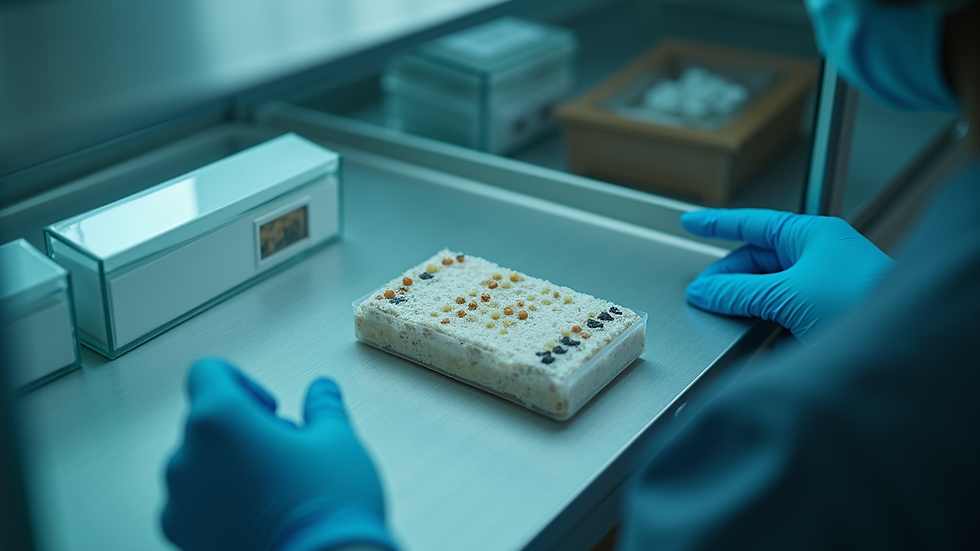
Many cold cases are solved because physical evidence was carefully preserved.
A single piece of evidence collected years earlier may become critical once new technology becomes available.
Federal agencies and forensic experts continue emphasizing the importance of maintaining evidence properly because future scientific advancements may reveal information that current methods cannot yet detect.
Recent Breakthroughs
Cold case breakthroughs continue to emerge across the country.
In recent years, investigators have identified previously unknown victims, solved murders from the 1980s and 1990s, and connected suspects to crimes using advanced forensic genealogy and DNA sequencing.
Some families have waited decades for answers and while not every case can be solved, modern technology is giving investigators tools that previous generations simply did not have.
The Future of Cold Case Investigations
Experts believe the future of criminal investigations will rely even more heavily on technology.
Artificial intelligence, improved DNA sequencing, advanced forensic databases, and digital investigative tools are expected to play a growing role in identifying suspects and solving unresolved cases.
For investigators, these technologies represent new opportunities and for families, they represent hope. Because every cold case is more than a file sitting on a shelf. It is a person. A family. A story still waiting for answers.
If you want to stay updated on stories like this and learn more about the tools behind the scenes, keep following The Cyber & Crime Files. The future of crime solving is bright, and technology is leading the way.


Comments